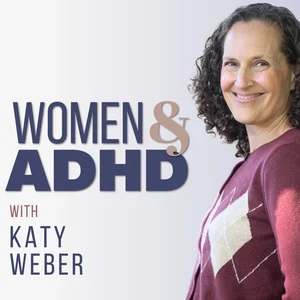
Women & ADHD (podcast)
Women & ADHD is a long-form podcast centered on adult-diagnosed women’s experiences with ADHD. Episodes typically feature interviews with people who have lived experience and occasional healthcare or coaching guests. Topics include diagnosis stories, coping strategies, health comorbidities, and community resources. The show links to supplemental resources and the host’s coaching and course offerings. Episodes vary in length and are primarily audio.
Why this may help
A podcast hosted by Katy Weber that explores ADHD in women diagnosed in adulthood, featuring interviews and discussions about lived experience, health intersections, and supports.
What to expect
Interview-style audio episodes (often 30–60+ minutes) sharing lived experience, topic deep dives, and links to external resources and coaching offerings. Occasional multi-part series on health topics appear.
Good fit / maybe not
Best for
Adults assigned female at birth or women seeking community-focused conversations about late-diagnosed ADHD and related life issues.
Not ideal for
People seeking clinical assessment, medical advice, or short quick-reference guidance; this is a conversational podcast rather than a clinical tool.
Trust and evidence
Evidence not assessed. Human verification is still needed; factual details from the listing have not been independently confirmed.
Perspective: Community-created
Topics this touches
Accessibility
- Listen
- Long-form
Related resources
 Website
AASPIRE Healthcare Toolkit
Editorial pick
AASPIRE’s online toolkit offers information, worksheets, and a customizable healthcare accommodations report to help autistic adults prepare for and navigate primary care visits.
Why consider it: Autistic adults seeking tools to plan and communicate healthcare needs; providers wanting basic guidance on autism-inclusive primary care.
 Website
Reframing Autism (Autistic-led charity)
Editorial pick
An Autistic-led charity offering free resources, education, and training that promote affirming, neurodiversity-affirming views of autism and provide supports for autistic people, families, professionals, and allies.
Why consider it: People seeking affirming, neurodiversity‑framed information about autism and access to community‑led educational materials and training.